

Natural Hair Bristle Suppliers Face Sustainability Scrutiny Worldwide
Natural Hair Bristle Suppliers Under Global Sustainability Scrutiny: Challenges and Industry Shifts
Natural hair bristles have long been prized in the cosmetics industry for their softness, durability, and ability to blend makeup seamlessly. Sourced from animals like badgers, squirrels, goats, and horses, these materials have been a cornerstone of high-end makeup brushes for decades. However, in recent years, natural hair bristle suppliers worldwide have found themselves under intense sustainability scrutiny, driven by evolving consumer expectations, stricter regulations, and a growing global focus on ethical sourcing and animal welfare.
The scrutiny stems from multiple interconnected concerns. First, animal welfare has emerged as a central issue. Traditional sourcing methods for natural hair—such as live plucking or unregulated farming—have faced backlash from animal rights groups and conscious consumers. Reports of inhumane treatment, including painful plucking practices or over-harvesting that harms animal health, have eroded trust in natural bristle products. This has led to campaigns advocating for "cruelty-free" alternatives, pressuring brands to rethink their supply chains.
Second, resource sustainability is a pressing challenge. Many natural hair sources are finite or depend on fragile ecosystems. For example, certain squirrel species used for premium brushes are native to specific regions, and over-harvesting has raised fears of population decline. Similarly, goat hair, a more common natural bristle, requires sustainable grazing practices to avoid land degradation. As climate change exacerbates resource scarcity, suppliers are struggling to balance demand with long-term environmental health.
Regulatory pressures have further amplified the scrutiny. The European Union, for instance, has tightened rules on animal-derived products, with some countries banning the import of bristle from species protected under wildlife conservation agreements. In the U.S., the Federal Trade Commission (FTC) has cracked down on misleading "cruelty-free" claims, requiring brands to provide transparent documentation of their sourcing practices. These regulations have forced suppliers to invest in traceability systems, increasing operational costs and complexity.
Consumer behavior has been a key driver of change. Modern shoppers, particularly Gen Z and millennials, prioritize sustainability and ethics when making purchasing decisions. A 2023 survey by Nielsen found that 66% of global consumers are willing to pay more for products from brands committed to sustainability. This has led cosmetics giants like L’Oréal and Estée Lauder to publicly commit to phasing out non-sustainable natural bristles, putting additional pressure on suppliers to adapt.
In response, the industry is seeing a shift toward innovation and collaboration. Some suppliers are investing in ethical sourcing certifications, such as the Leaping Bunny or PETA’s cruelty-free approval, to validate their practices. Others are exploring semi-sustainable methods, like shearing animals humanely or partnering with local farmers to implement regenerative grazing.
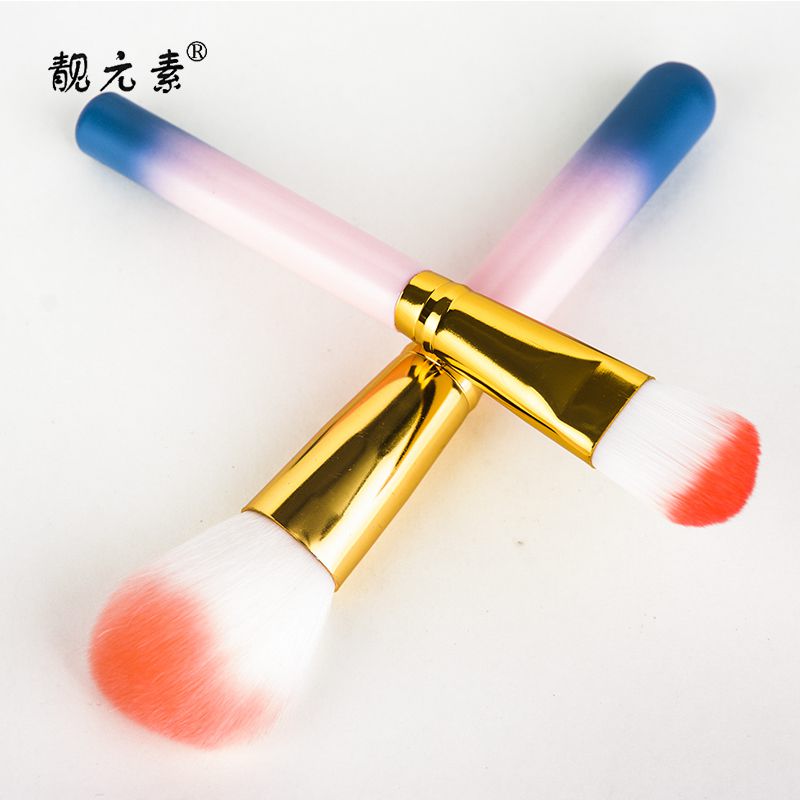
Perhaps most notably, synthetic alternatives are gaining traction. Advanced synthetic filaments, made from materials like nylon or polyester, now mimic the performance of natural hair—offering similar softness and blendability without the ethical or environmental drawbacks. Brands like Fenty Beauty and Glossier have already launched fully synthetic brush lines, and suppliers are ramping up production of these alternatives to meet demand.
However, challenges remain. For traditional suppliers, transitioning to synthetic or certified natural bristles requires significant investment in technology and supply chain restructuring. Smaller suppliers, in particular, may struggle to keep up with the costs of certification or R&D. Additionally, some consumers and makeup artists still prefer natural bristles for their unique texture, creating a niche market that suppliers must navigate carefully.
Looking ahead, the future of natural hair bristle suppliers will depend on their ability to balance tradition with sustainability. Those that can demonstrate ethical sourcing, transparency, and innovation are likely to thrive in the evolving market. As the global focus on sustainability intensifies, the industry is poised for a transformation—one that prioritizes both the health of the planet and the well-being of the animals that have long been part of its legacy.


